“because it contains amino acids” search results (200)

Top 10 reasons why coffee beats white tea
The event of "White Tea marrying Princess" has been hyped by everyone. Anji White Tea leading brand outside Mingyuan appeals to the society to pay attention to white tea and pay attention to physical and mental health.
2014-07-10 Coffee news white tea comparison difference
The basic knowledge of coffee the taste and taste of coffee
The sensory evaluation of coffee flavor is divided into three stages: smell, taste and taste. The sense of smell of coffee refers to the sensation of olfactory organs. People smell the smell because the receptors at the nasal septum are stimulated by volatile chemicals, usually containing hydrogen, carbon, nitrogen, oxygen or sulfur. When these chemicals are forced in the form of gases
2014-09-19 Coffee knowledge coffee basics coffee taste coffee tasting
The expression of alcohol and strength in the analysis of coffee components
For coffee, the touch of the mouth and palate comes from fatty oil, a liquid ingredient insoluble in water, and a sediment suspended in coffee water after brewing. In addition to providing texture for the overall taste of coffee, suspended matter in coffee also affects the taste of coffee by forming colloids. 1.Fatty oil raw coffee beans contain 7% Mui 17% fat.
2015-09-16 Coffee composition analysis mellowness strength expression
Basic chemical reactions that occur during coffee roasting
Many thermal and chemical reactions take place during baking: decarbonation, dehydration of quinic acid, fragmentation, isomerization, polymerization, and complex sugar reactions (caramelization). The main thermally reactive components are monosaccharides and sucrose, chlorogenic acid, displaced amino acids, and trigonelline amide. Both aravinone and calactose in polysaccharides are transferred, and basic sulfurization contains hydroxyamino acids.
2014-08-20 Coffee knowledge Coffee roasting Chemical changes Coffee encyclopedia
The basic chemical reaction of coffee knowledge during coffee roasting.
Many thermal and chemical reactions take place during baking: decarbonation, dehydration of quinic acid, subdivision, isomerization, polymerization, and complex sugar reactions (caramelization). The main components of the thermal reaction are monosaccharides and sucrose, chlorogenic acid, free amino acids, and fenugreek amide. Both aravinose and calactose in the polysaccharides are transferred, and the basic vulcanization process includes hydroxylamine.
2014-12-31 Coffee knowledge baking process medium hair raw basic chemical reaction passing
A detailed introduction to the practice and nutrition knowledge of cocoa powder
Introduction to cocoa powder: natural cocoa powder is extracted from natural coffee (cocoa) beans
2014-06-13 Cocoa powder coffee beans extract
The basic chemical reaction that takes place during coffee roasting.
Many thermal and chemical reactions take place during baking: decarbonation, dehydration of quinic acid, subdivision, isomerization, polymerization, and complex sugar reactions (caramelization). The main components of the thermal reaction are monosaccharides and sucrose, chlorogenic acid, free amino acids, and fenugreek amide. Both aravinose and calactose in the polysaccharides are transferred, and the basic vulcanization process includes hydroxylamine.
2014-11-22 Coffee knowledge coffee common sense coffee roasting chemical reaction
The basic chemical reactions that take place during coffee roasting
Many thermal and chemical reactions take place during baking: decarbonation, dehydration of quinic acid, subdivision, isomerization, polymerization, and complex sugar reactions (caramelization). The main components of the thermal reaction are monosaccharides and sucrose, chlorogenic acid, free amino acids, and fenugreek amide. Both aravinose and calactose in the polysaccharides are transferred, and the basic vulcanization process includes hydroxylamine.
2015-10-15 Coffee roasting process medium hair raw basic chemical reaction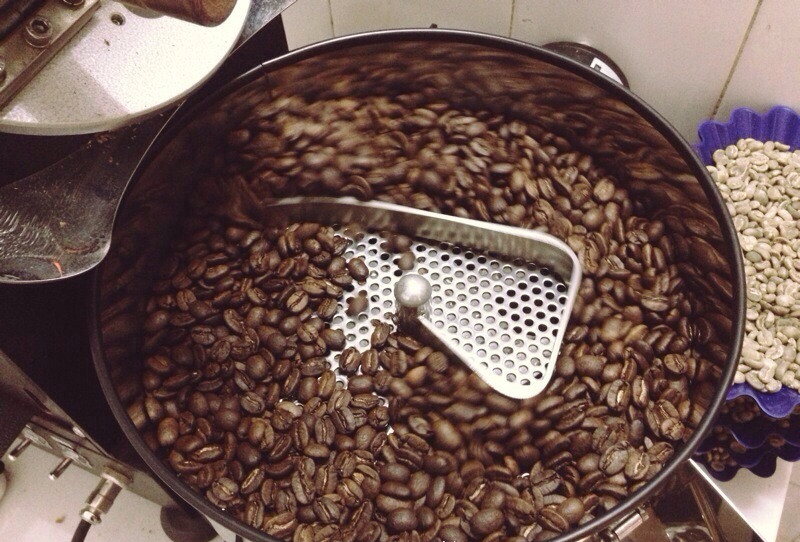
Basic chemical reactions of coffee beans during coffee roasting
Many thermal and chemical reactions take place during baking: decarbonation, dehydration of quinic acid, subdivision, isomerization, polymerization, and complex sugar reactions (caramelization). The main components of the thermal reaction are monosaccharides and sucrose, chlorogenic acid, free amino acids, and fenugreek amide. Both aravinose and calactose in the polysaccharides are transferred, and the basic vulcanization process includes hydroxylamine.
2015-03-16 Coffee roasting process coffee beans raw basic chemical reaction
The basic chemical reactions that take place during coffee roasting
Many thermal and chemical reactions take place during baking: decarbonation, dehydration of quinic acid, subdivision, isomerization, polymerization, and complex sugar reactions (caramelization). The main components of the thermal reaction are monosaccharides and sucrose, chlorogenic acid, free amino acids, and fenugreek amide. Both aravinose and calactose in the polysaccharides are transferred, and the basic vulcanization process includes hydroxylamine.
2014-08-21 Coffee roasting process medium hair raw basic chemical reaction
The basic chemical reactions that take place during coffee roasting.
Many thermal and chemical reactions take place during baking: decarbonation, dehydration of quinic acid, subdivision, isomerization, polymerization, and complex sugar reactions (caramelization). The main components of the thermal reaction are monosaccharides and sucrose, chlorogenic acid, free amino acids, and fenugreek amide. Both aravinose and calactose in the polysaccharides are transferred, and the basic vulcanization process includes hydroxylamine.
2015-01-08 Coffee common sense baking process medium hair raw basic chemical reaction passing
The basic chemical reaction of coffee technology in the process of coffee roasting
Many thermal and chemical reactions take place during baking: decarbonation, dehydration of quinic acid, subdivision, isomerization, polymerization, and complex sugar reactions (caramelization). The main components of the thermal reaction are monosaccharides and sucrose, chlorogenic acid, free amino acids, and fenugreek amide. Both aravinose and calactose in the polysaccharides are transferred, and the basic vulcanization process includes hydroxylamine.
2014-10-09 Coffee knowledge coffee technology coffee roasting baking chemical reaction
Sad people should drink coffee and six magic foods to change their mood.
Enjoying good food is usually the greatest comfort in many people's lives, but do you know? In fact, there are really some foods that can make you feel better and better. The following six foods are recommended by Shawn Talbott, PhD in Nutrition from Harvard University. Whether you feel angry or sad today, we have prepared magic foods to break your bad mood. If you feel angry, please eat nuts, especially
2015-04-23 Sad people should coffee change mood 6 kinds magic food enjoyment good food
Analysis of Coffee Bean Composition
Caffeine is the most noticeable of all coffee ingredients. Its effect is extremely extensive, will affect the human body's brain, heart, blood vessels, gastrointestinal, muscle, kidney and other parts.
2014-08-18 Coffee knowledge coffee bean ingredients ingredient analysis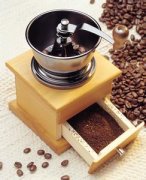
Detailed Analysis of the components of Coffee beans
Raw coffee beans do not contain the special aroma of coffee, so they are not eaten directly and must be roasted before a large number of volatile aroma compounds are produced.
2014-05-16 Coffee knowledge coffee bean ingredients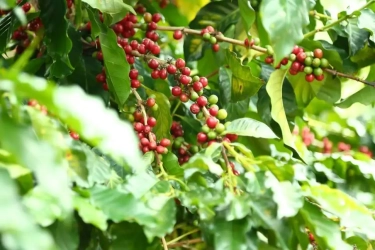
What are Arabica coffee beans? 100% pure Arabica single boutique coffee beans efficacy, flavor and taste characteristics
Arabica coffee beans are also one of the coffee beans, but account for 70% and 80% of coffee bean production. It can be seen that Arabica coffee beans are the main source of raw materials for coffee. So what is Arakabi? What kind of nutrition does it have? What's the use? How does it make coffee? If you eat it
2023-03-15 Rabbi coffee beans what is efficacy belongs to one of them
Analysis of Coffee Bean Composition
Coffee Bean Composition Analysis Green Bean (Unit: Percentage) Moisture: 11.3 Fat: 11.7 Protein: 11.8 Sugar: 8.0 Essence: 17.1 Caffeine: 1.3 Tannin: 6.0 Minerals: 4.2 Crude Fiber: 28.6 Cooked Bean Moisture: 2.5 Fat: 13.2 Protein: 12.8 Sugar: 1.8 Essence: 29.6 Caffeine: 1.3 Tannin: 4.0 Minerals
2014-06-26 Coffee bean ingredients single-ingredient coffee beans
Analysis of the composition of coffee beans what ingredients are contained in a coffee bean?
Raw bean (unit: percentage) moisture: 11.3 fat: 11.7 protein: 11.8 sugar: 8.0 essence: 17.1 caffeine: 1.3 Salmonic acid: 6.0 Minerals: 4.2 crude fiber: 28.6 cooked bean moisture: 2.5 fat: 13.2 protein: 12.8 sugar: 1.8 essence: 29.6 caffeine: 1.3 Salvianolic acid: 4 .0 mineral: 5.2 crude fiber: 29.
2015-10-26 Coffee beans ingredients analysis one contains which raw beans units percentage water
Composition Analysis of Coffee beans basic knowledge of Fine Coffee
Raw bean (unit: percentage) moisture: 11.3 fat: 11.7 protein: 11.8 sugar: 8.0 essence: 17.1 caffeine: 1.3 Salmonic acid: 6.0 Minerals: 4.2 crude fiber: 28.6 cooked bean moisture: 2.5 fat: 13.2 protein: 12.8 sugar: 1.8 essence: 29.6 caffeine: 1.3 Salvianolic acid: 4 .0 mineral: 5.2 crude fiber: 29.
2015-04-13 Coffee beans ingredients analysis boutique coffee basics common sense raw beans units percent
Analysis of the components of high-quality coffee beans with knowledge
Raw bean (unit: percentage) moisture: 11.3 fat: 11.7 protein: 11.8 sugar: 8.0 essence: 17.1 caffeine: 1.3 Salmonic acid: 6.0 Minerals: 4.2 crude fiber: 28.6 cooked bean moisture: 2.5 fat: 13.2 protein: 12.8 sugar: 1.8 essence: 29.6 caffeine: 1.3 Salvianolic acid: 4 .0 mineral: 5.2 crude fiber: 29.
2015-01-26 Boutique coffee beans knowledge ingredients analysis raw beans unit percentage moisture 1